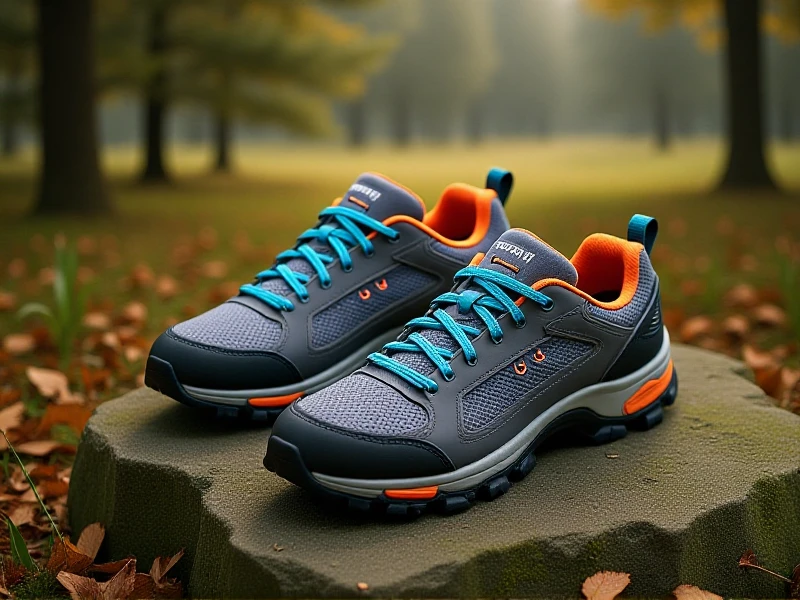
The Best Hiking Shoes Guide: Find Your Perfect Pair for Outdoor Adventures
When you hit the trails, the right hiking shoes can make or break your experience. Unlike everyday sneakers, hiking shoes are designed to provide stability, traction, and protection on uneven terrain. As an avid hiker who's trekked through everything from Rocky Mountain paths to coastal trails, I've learned that investing in quality hiking shoes isn't just about comfort—it's about safety and performance. In this article, we'll explore why these specialized shoes matter and how to choose the best pair for your needs, so you can enjoy longer, injury-free journeys.
Hiking shoes come in several types to suit different terrains. Lightweight trail runners, for instance, are ideal for smooth paths and short day hikes—they're breathable and agile, perfect if speed is your priority. Mid-weight hiking shoes offer more ankle support and durability, making them excellent for rocky or muddy routes. For serious trekkers tackling steep inclines or carrying heavy packs, sturdy hiking boots provide maximum protection with reinforced soles. Each type balances factors like weight, flexibility, and waterproofing: brands like Merrell, Salomon, and Keen excel in this space, with Gore-Tex linings keeping feet dry during unexpected rain showers.
Choosing the right hiking shoes depends on personal fit and the trails you frequent. Start by trying on multiple pairs with the socks you'll wear hiking—aim for a snug heel, roomy toe box to prevent blisters, and minimal slippage. Consider your hiking style: if you favor rugged mountain climbs, prioritize shoes with aggressive treads and stiff midsoles for stability. Conversely, forest or park outings might call for lighter options. Always test waterproof hiking shoes if you'll face wet conditions, as moisture management is key to preventing discomfort. Don't overlook cushioning and arch support; a professional fitting at an outdoor store can highlight your needs based on foot shape.
For top performance, focus on key features like Vibram outsoles, which enhance grip on slippery surfaces, and durable materials such as leather or synthetic blends that resist wear. Hiking shoes with reinforced toe caps shield your feet from rocks and roots, while proper break-in periods ensure they mold to your stride. After purchase, maintain your hiking shoes by cleaning mud after each trip and air-drying them—never use heat, as it can damage materials. Pair them with moisture-wicking socks to extend their life. Ultimately, the perfect hiking shoes elevate every step, letting you explore more with confidence and joy.
By prioritizing fit and function, you'll find hiking shoes that support your adventures for years. What brand is your favorite? Share your thoughts below and start exploring the great outdoors today! ( 415)