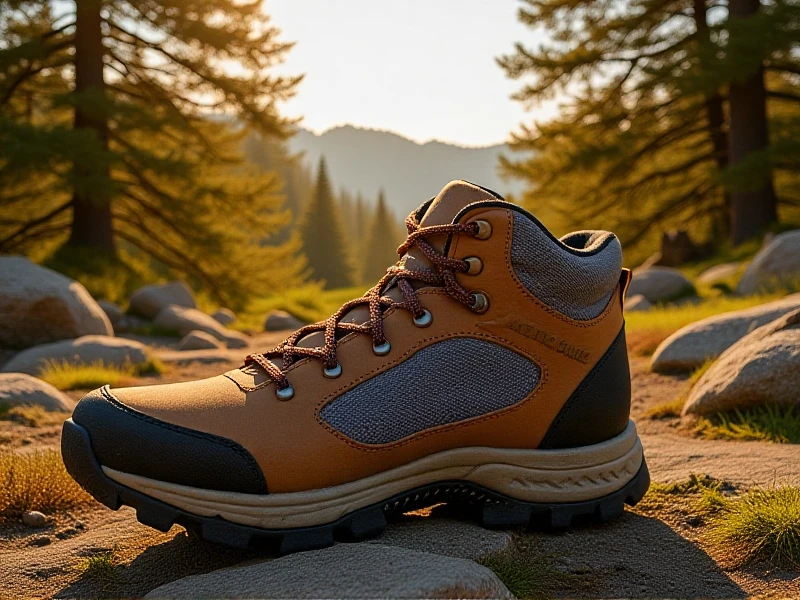
The Best Hitting Shoes for Every Trail: Find Your Perfect Pair
Choosing the right hiking shoes isn't just about comfort; it's about safety, endurance, and unlocking the trail's full potential. Wrong footwear leads to blisters, fatigue, and even injuries. So, how do you find the perfect pair of hiking shoes for your adventures?
Understand Your Trail:
- Light Trails & Day Hikes: Lightweight hiking shoes are your allies. They offer flexibility, good traction, and breathability without excess bulk. Look for mesh uppers and cushioned midsoles for comfort on well-maintained paths.
- Rugged Terrain & Multi-Day Treks: Ankle support becomes crucial. Opt for mid-cut or even high-cut hiking boots. Prioritize sturdy construction, aggressive outsoles for grip on loose rock or mud, and ample underfoot protection. Waterproof membranes (like Gore-Tex) are often essential here.
- Variable Weather & Wet Conditions: Waterproof hiking boots are non-negotiable if you face streams, rain, or morning dew. Ensure they retain breathability to prevent sweaty feet. Look for sealed seams and quality membranes.
Key Features Demystified:
- Superior Traction: Look for Vibram® outsoles or similar high-quality rubber compounds with deep, multi-directional lugs. This grip is vital for stability on loose gravel, slick rocks, and muddy slopes – a hallmark of the best hiking shoes.
- Ankle Support & Stability: Your terrain dictates this. Low-cut hiking shoes offer freedom; mid/high cuts provide crucial support on uneven ground, preventing rolls and twists. Consider ankle braces if needed.
- Waterproofing & Breathability: Balance is key. If conditions mandate waterproof hiking boots, ensure they have a reliable membrane. For drier trails or hot climates, highly breathable, quick-drying non-waterproof hiking shoes prevent overheating. Synthetic mesh linings enhance airflow.
- Fit is Paramount: Never compromise here! Hiking boots and shoes should fit snugly without pinching, especially around the heel. Expect a thumbnail’s width at the toe. Account for sock thickness (always wear proper hiking socks!) and foot swelling during long days. Boot weight matters for efficiency.
Beyond the Brand: Prioritizing Your Adventure
Your ideal hiking shoes should feel like an extension of your feet:
- Protection: A rock plate protects feet from sharp objects.
- Comfort and Cushion: Responsive midsoles absorb shock.
- Durability: Quality materials withstand abrasion.
- Weather Adaptability: Choose materials suited to your climate.
Final Step: The Test Drive
Researching the best hiking boots is step one. Step two is critical: actually trying them on! Visit a reputable outdoor retailer. Bring your hiking socks. Walk rigorously on inclines. Test the fit meticulously. The right hiking shoes will empower you to hike farther, more comfortably, and with confidence on any terrain. Don’t settle – discover the pair that unlocks your next adventure.